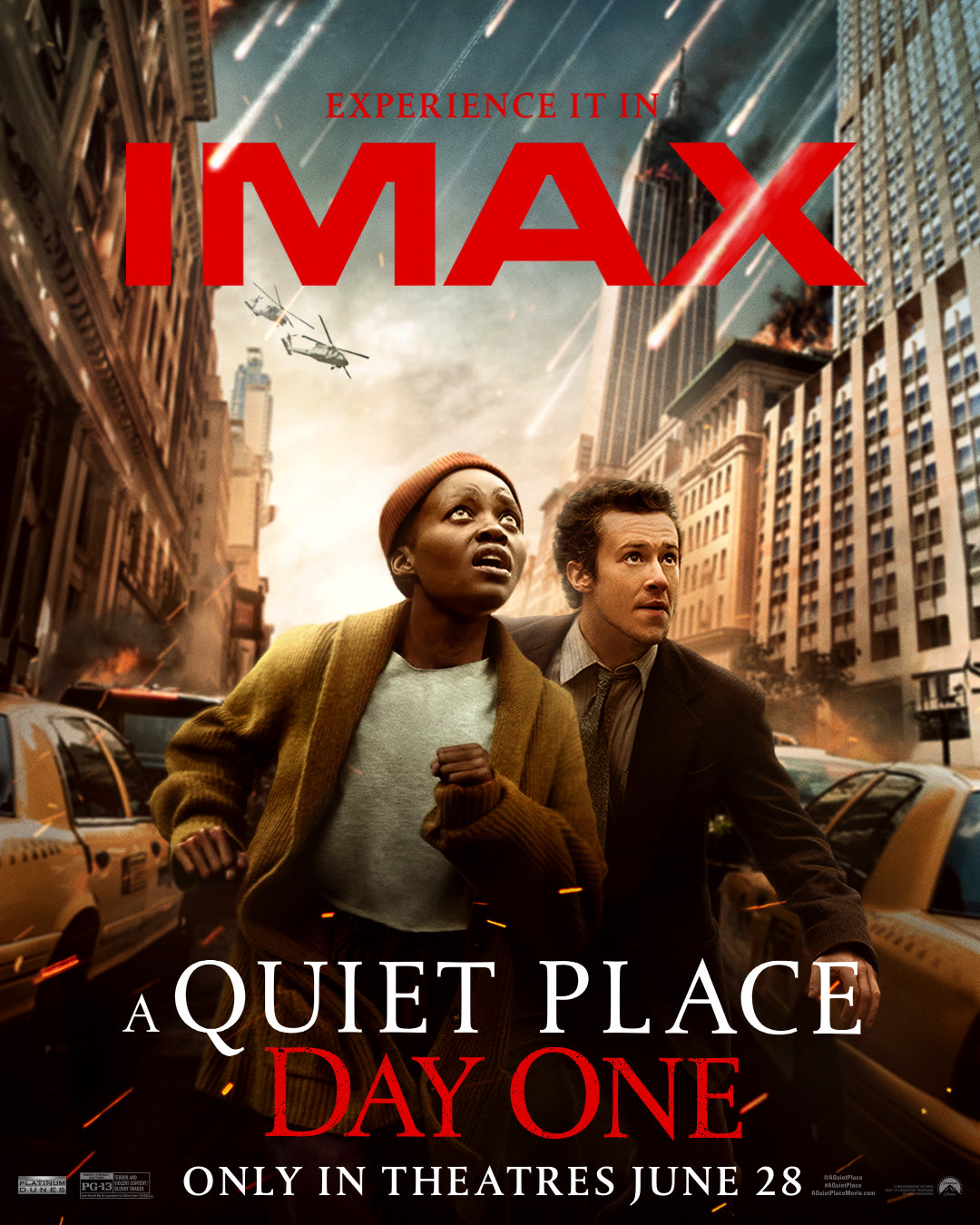
"A Quiet Place: Day One" is an intense and riveting prequel that expands the universe of the original film while maintaining its signature tension and emotional depth. Directed by Michael Sarnoski, this installment takes viewers back to the initial invasion of the terrifying creatures, offering a fresh perspective on the apocalyptic scenario. From an African American perspective, the film resonates deeply, reflecting themes of survival, resilience, and community that are particularly poignant.
The film's depiction of chaos and sudden disruption of everyday life mirrors historical and contemporary experiences of African American communities. The struggle to adapt and survive against overwhelming odds is a familiar narrative, making the characters' plight in "A Quiet Place: Day One" especially relatable. The movie effectively captures the panic and desperation of the early days of the invasion, drawing parallels to the unpredictability and resilience often required in the face of systemic challenges.
The casting and representation in "A Quiet Place: Day One" are noteworthy. The film features a diverse ensemble, with strong performances that bring depth and authenticity to the characters. The presence of African American actors in pivotal roles adds a layer of representation that enhances the film's relatability and impact. Their portrayals emphasize themes of unity, strength, and the importance of community bonds, which are integral to the African American experience
One of the standout aspects of "A Quiet Place: Day One" is its ability to convey powerful emotions and complex relationships without relying heavily on dialogue. This silent struggle and reliance on non-verbal communication reflect the historical silencing and resilience of African American voices. The characters' determination to protect their loved ones and maintain their humanity in the face of monstrous threats echoes the resilience and solidarity that have long been hallmarks of African American culture.
The film's setting in urban environments highlights the unique challenges faced by city dwellers during a crisis. The depiction of these environments adds authenticity and immediacy to the story, showing how different communities respond to existential threats. The urban landscape, with its dense population and infrastructure, presents both obstacles and opportunities for survival, mirroring real-life scenarios where marginalized communities often have to navigate complex and perilous situations.
"A Quiet Place: Day One" also excels in its technical execution. The sound design is exceptional, creating a palpable sense of dread and suspense that keeps viewers on the edge of their seats. The use of silence as a narrative device is as effective here as in the original film, heightening the tension and emphasizing the importance of every sound. This auditory experience can be seen as a metaphor for the struggle to be heard and the consequences of silence, themes that resonate strongly within the African American community.
In conclusion, "A Quiet Place: Day One" is a compelling and emotionally charged prequel that expands the franchise's universe while offering new layers of meaning. From an African American perspective, the film's themes of survival, resilience, and community are especially resonant. Its diverse cast, strong performances, and powerful storytelling make it a significant and impactful addition to the series. The film not only entertains but also invites reflection on broader social issues, making it a poignant and relevant cinematic experience.
